Enquire
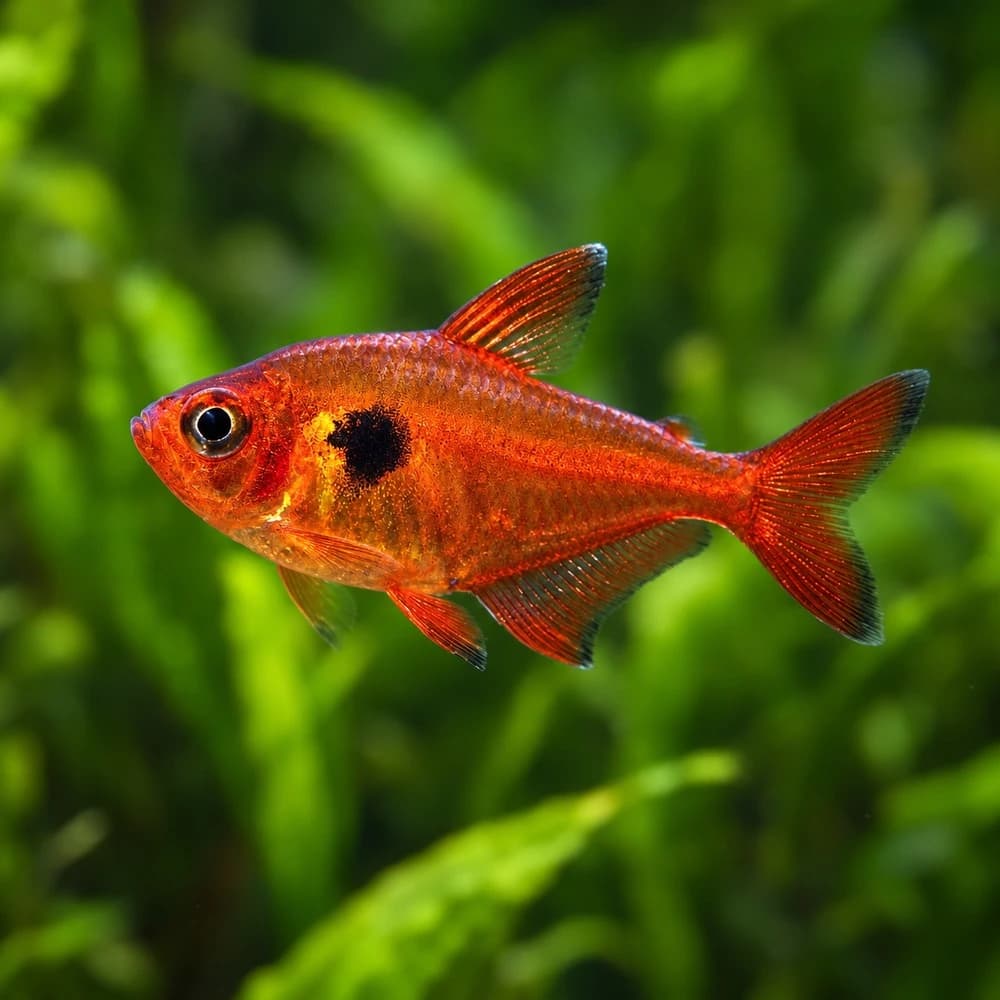
Red Badis
₹50
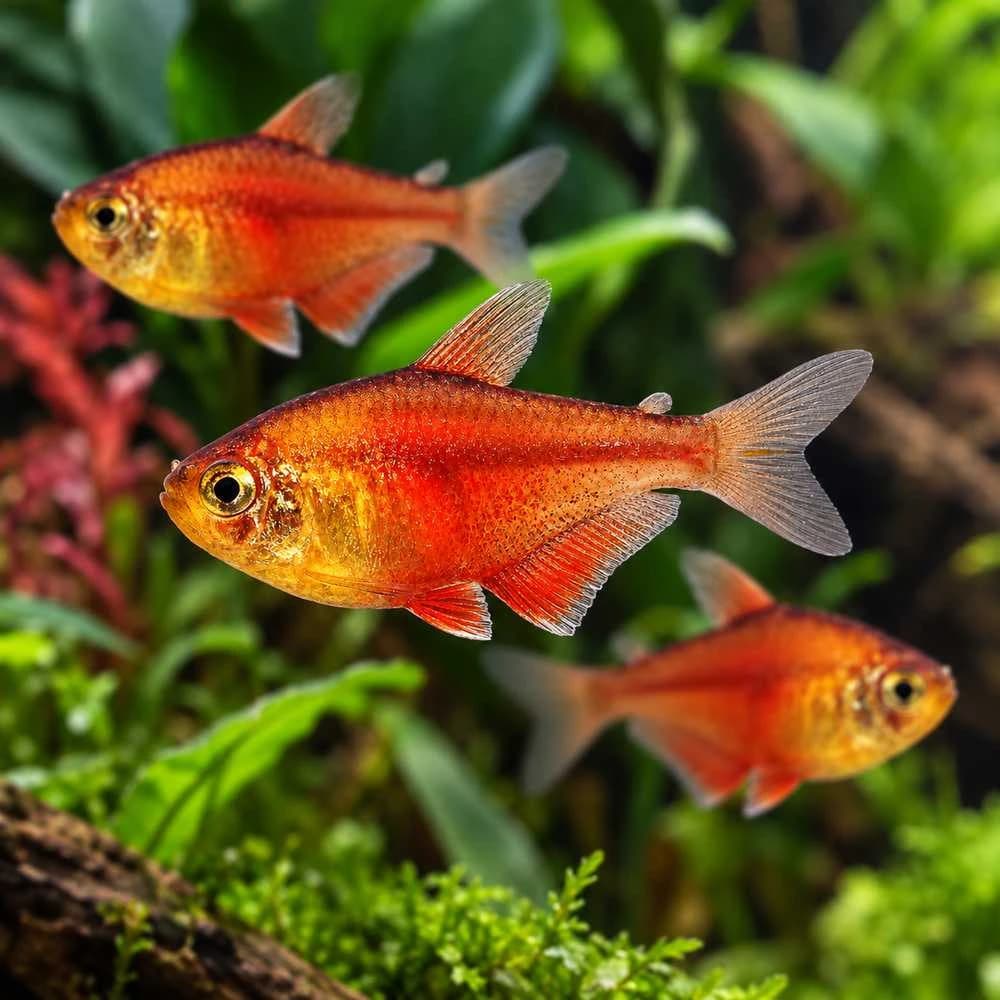
Tiger Barb | Puntius tetrazona is an active, playful schooling fish with an emerald body and contrasting black stripes. This selectively bred colour variant comes from a species native to the slow-moving waters of Southeast Asia. It grows to around 6–7 cm and adds lively movement to a spacious, planted aquarium.
Keep Tiger Barbs in a group of at least six; a group of 8–10 is recommended. They may nip the fins of long-finned or slow-moving tankmates, particularly when kept in a small group or cramped conditions, so choose companions carefully. Provide dense plants, hiding places, a darker substrate and open swimming space. These omnivores accept flakes, granules, frozen foods and live foods. Regular water changes and good filtration help maintain water quality.
Common name: Tiger Barb
Scientific name: Puntius tetrazona
Adult size: approximately 6–7 cm
Group size: at least 6; 8–10 recommended
Temperature: 20–26°C; pH: 6–8
Aquarium size: 80–100 litres
No reviews yet. Be the first to share your experience!
The Tiger Barb is a selectively bred colour variant of a Southeast Asian species, with an emerald body and striking black stripes. Growing to around 6–7 cm, it is an active swimmer that needs space to move, as well as dense planting and hiding places. A darker substrate can help show off its vivid colour.
Keep Tiger Barbs in a group of at least six; a group of 8–10 is recommended. They are energetic and playful, but may nip the fins of long-finned or slow-moving tankmates, especially when kept in small groups or cramped aquariums. Choose companions carefully. These omnivores accept flakes, granules, frozen foods and live foods. With suitable conditions, breeding is possible in a separate tank; the adults do not guard the eggs.
Common name: Tiger Barb
Scientific name: Puntius tetrazona
Group: Cyprinidae
Origin: Southeast Asia
Adult size: approximately 6–7 cm
Behaviour: Active and social; may nip fins
Aquarium size: 80–100 litres
Group size: At least 6; 8–10 recommended
Temperature: 20–26°C
pH: 6–8
Water hardness: 5–19 dGH
Diet: Omnivorous; flakes, granules, frozen and live foods
Breeding: Egg-layer; use a separate breeding aquarium because adults do not guard the eggs
Expected lifespan: Approximately 5–6 years
Provide an aquarium of around 80–100 litres with ample open swimming space.
Keep them in a group of at least six; 8–10 is recommended.
Add dense planting and hiding places, with a darker substrate to complement their colour.
Maintain the water temperature between 20–26°C and pH between 6–8.
Feed a varied omnivorous diet of flakes, granules, frozen foods and live foods.
Select tankmates carefully, avoiding long-finned or slow-moving fish that may be harassed.
Maintain good filtration and carry out regular water changes; the source recommends changing 20–30% of the water weekly.
Float the transport bag in the aquarium for 15–20 minutes to equalise the temperature.
Transfer the fish carefully into a clean vessel.
Add approximately 100 ml of aquarium water to the vessel every 20 minutes for at least 2–3 hours.
Use a net to move the fish from the vessel into the aquarium.
Where possible, introduce the fish before the aquarium lights come on, when existing fish are less active and the new fish can settle in.
If the aquarium uses CO2, stop the CO2 supply 2–3 hours before acclimation.
Wait 24 hours before feeding newly introduced fish.
Keep a social group and provide enough space to swim.
Offer dense planting and hiding places while preserving open swimming areas.
Avoid long-finned or slow-moving tankmates, as Tiger Barbs may nip their fins.
Maintain good filtration and carry out regular water changes to support water quality.
For breeding, use a separate aquarium; the adults do not guard their eggs.
Delivery in 2-5 Days. Express delivery is available at checkout for an additional fee.
We accept returns within 3 days of delivery. Items must be unused and in their original packaging.