
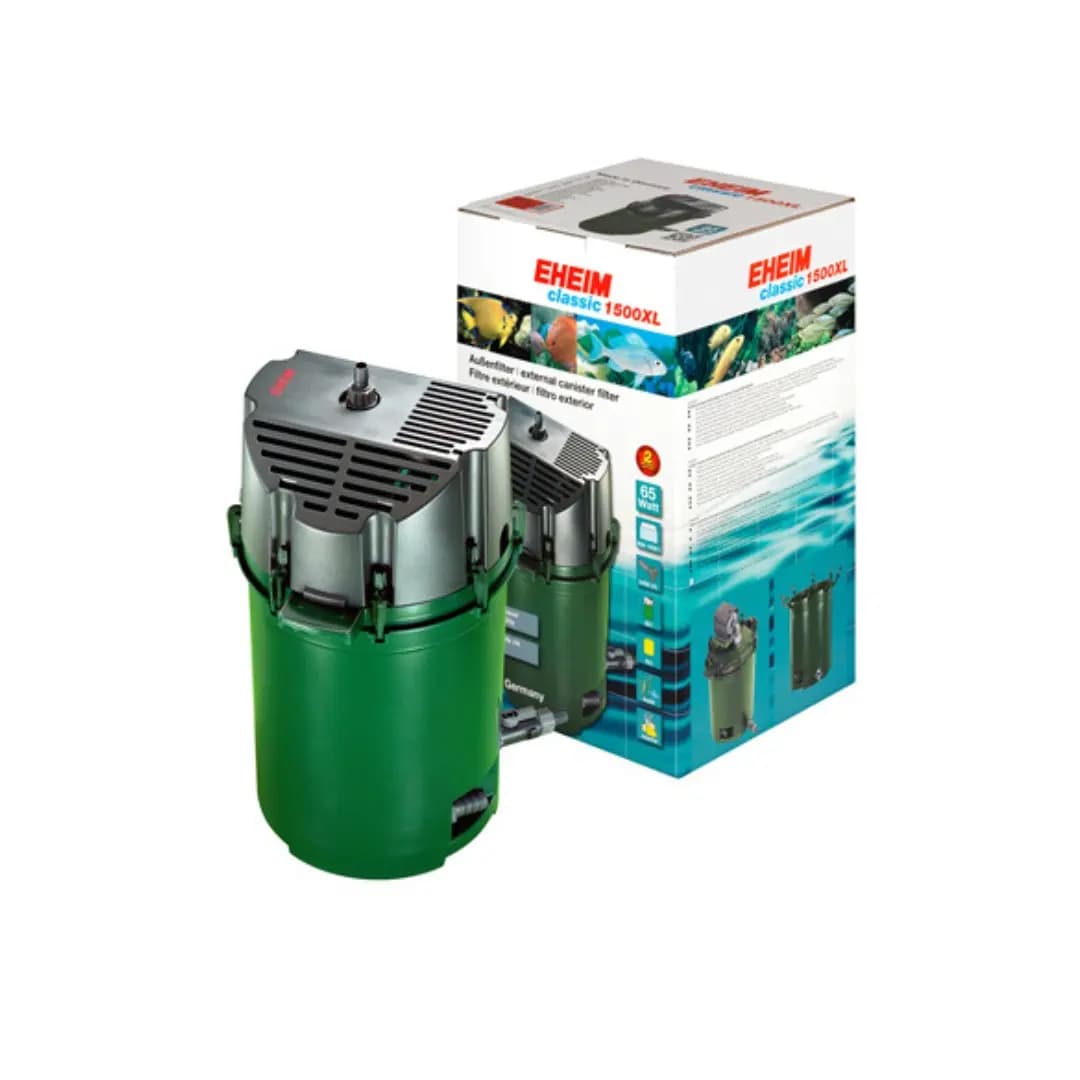
Eheim External Classic Filter Up to 1500 Litres - 2260
₹48,250

₹48,250
₹3,100

₹1,100
₹2,500 – ₹3,000
₹5,500
₹750
₹2,290
₹1,300
₹2,415
₹1,040
No reviews yet. Be the first to share your experience!
The NT Lab Ammonia Test is an indispensable tool for any aquarium owner. Ammonia is the primary waste product produced by fish and can also be generated by decaying plant leaves or uneaten food. Because it is completely invisible and cannot be detected by sight, relying on a professional test kit is the only way to ensure your tank is safe. Ammonia is extremely toxic to aquatic life, and the only acceptable level for a healthy aquarium is zero mg/l (ppm).
By using this test kit, you can determine if your beneficial bacteria in the filter are effectively breaking down toxins into nitrite. Early detection allows you to take corrective actions, such as adding filter boosters or performing targeted water changes, to save your fish from ammonia poisoning.
Delivery in 2-5 Days. Express delivery is available at checkout for an additional fee.
We accept returns within 3 days of delivery. Items must be unused and in their original packaging.