
Enquire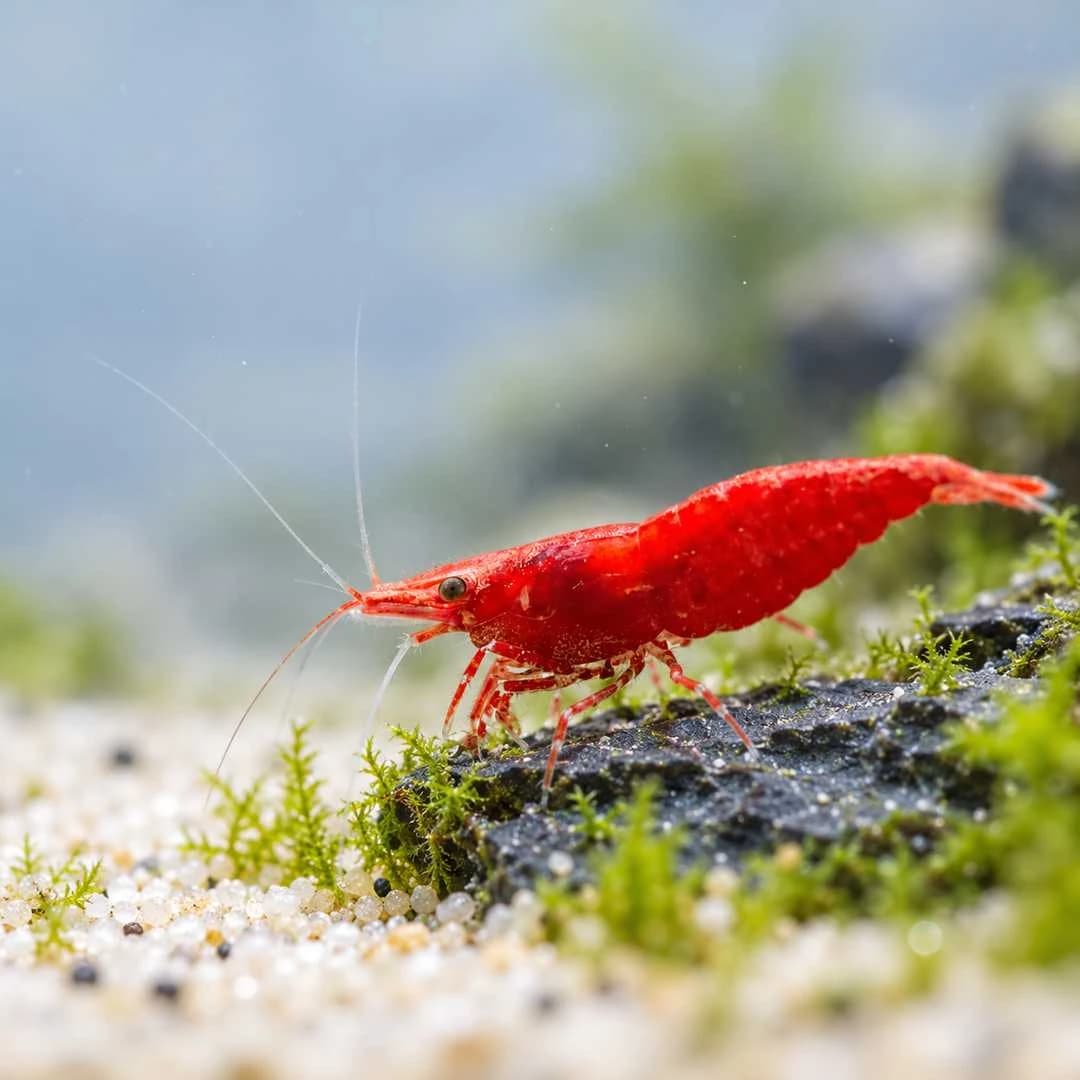
Red Cherry Shrimp
₹40
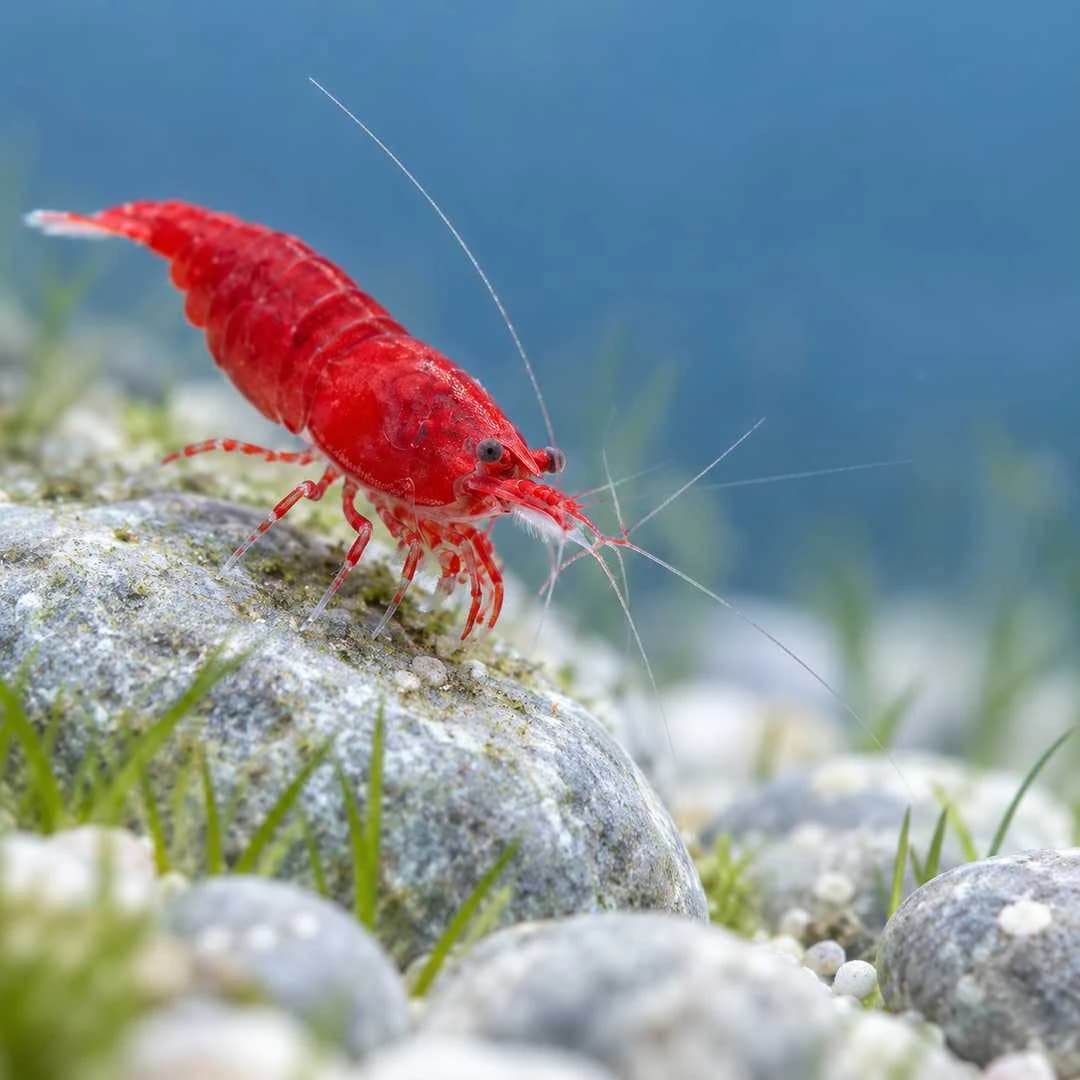
Fire Red Shrimp | Neocaridina davidi is a selectively bred freshwater dwarf shrimp prized for its rich, mostly opaque red colour. Growing to around 3–4 cm, it is peaceful, hardy and easy to care for, making it a rewarding choice for beginners and experienced shrimp keepers.
Keep Fire Red Shrimp in a fully cycled aquarium with stable water conditions, live plants, moss and plenty of surfaces for grazing. A dark substrate helps their red colour stand out. These natural scavengers feed on algae, biofilm and leftover food, and also benefit from quality shrimp food and occasional blanched vegetables. They breed readily in a mature aquarium, with females carrying eggs for about 30 days before the young hatch.
Rich, mostly opaque red colour
Adult size of approximately 3–4 cm
Easy-care and beginner-friendly freshwater shrimp
Suitable for aquariums from about 19 litres
Benefits from planted tanks, moss and dark substrate
Breeds readily in stable aquarium conditions
₹40
₹60
₹60
₹1,344
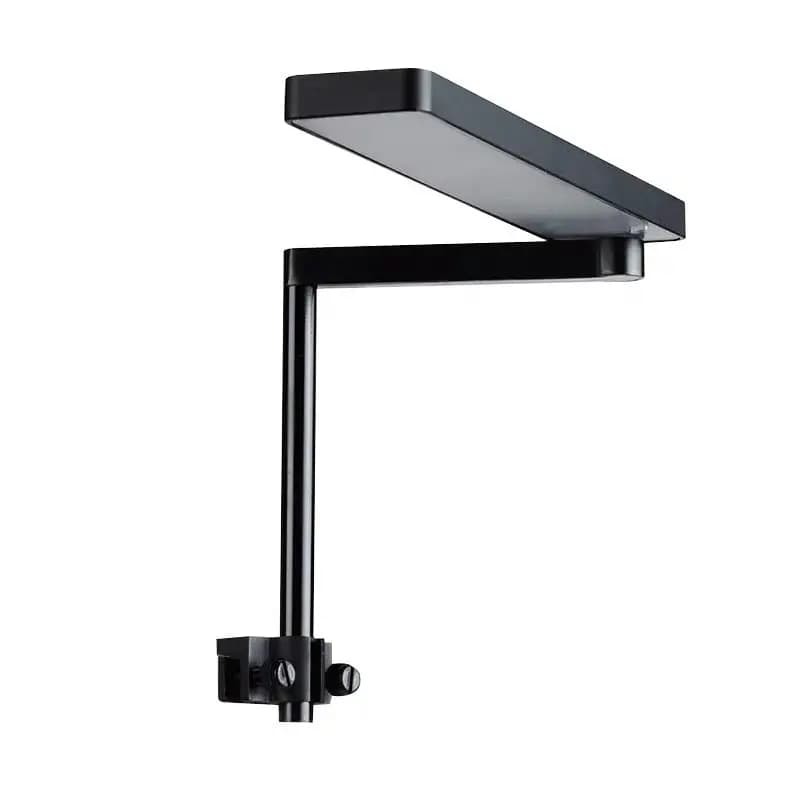
₹6,000
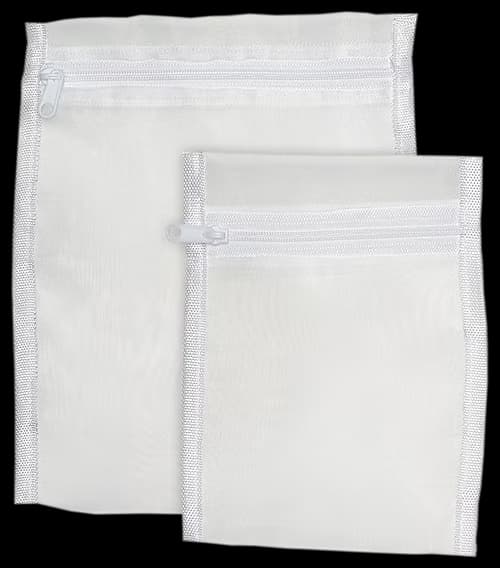
₹600 – ₹800
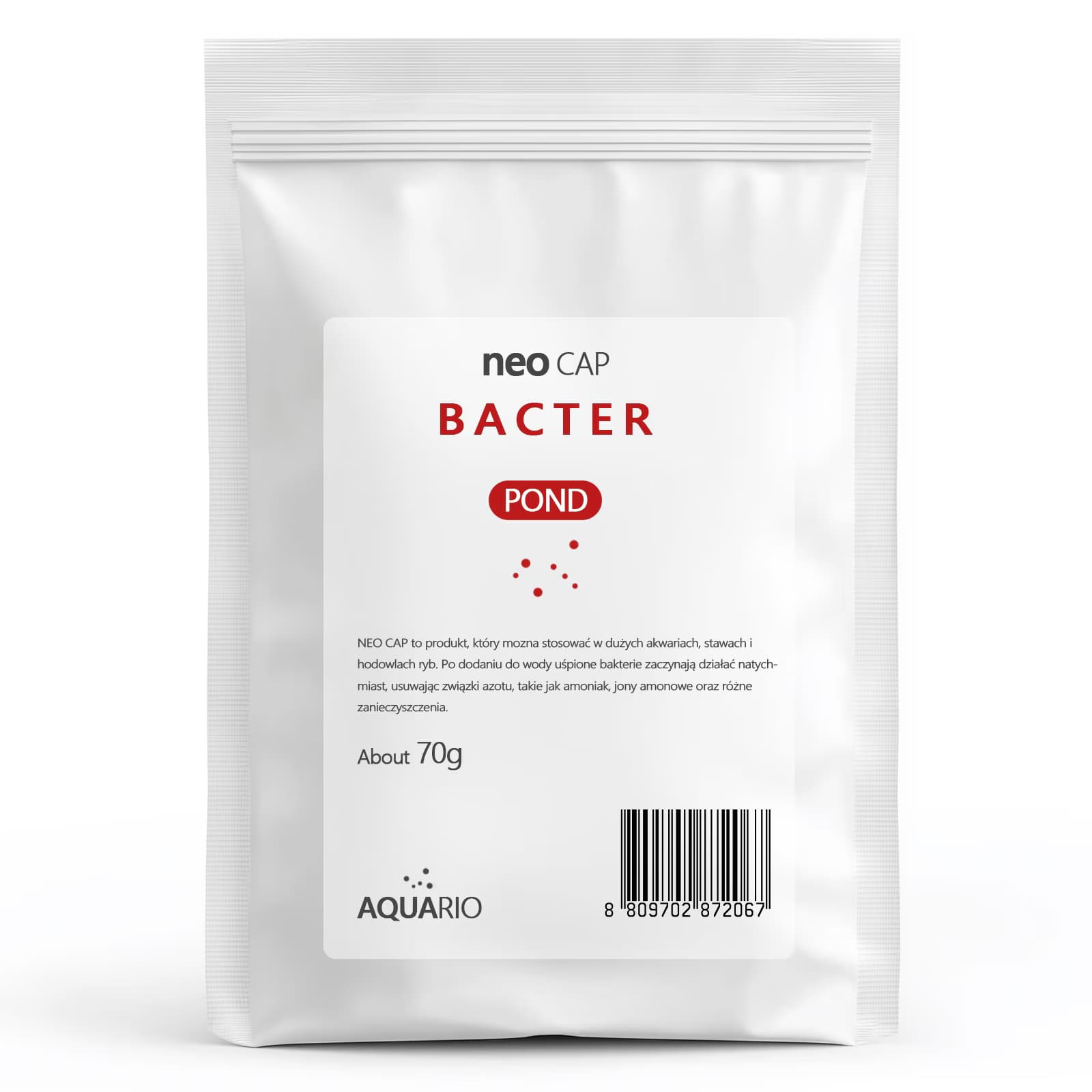
₹800
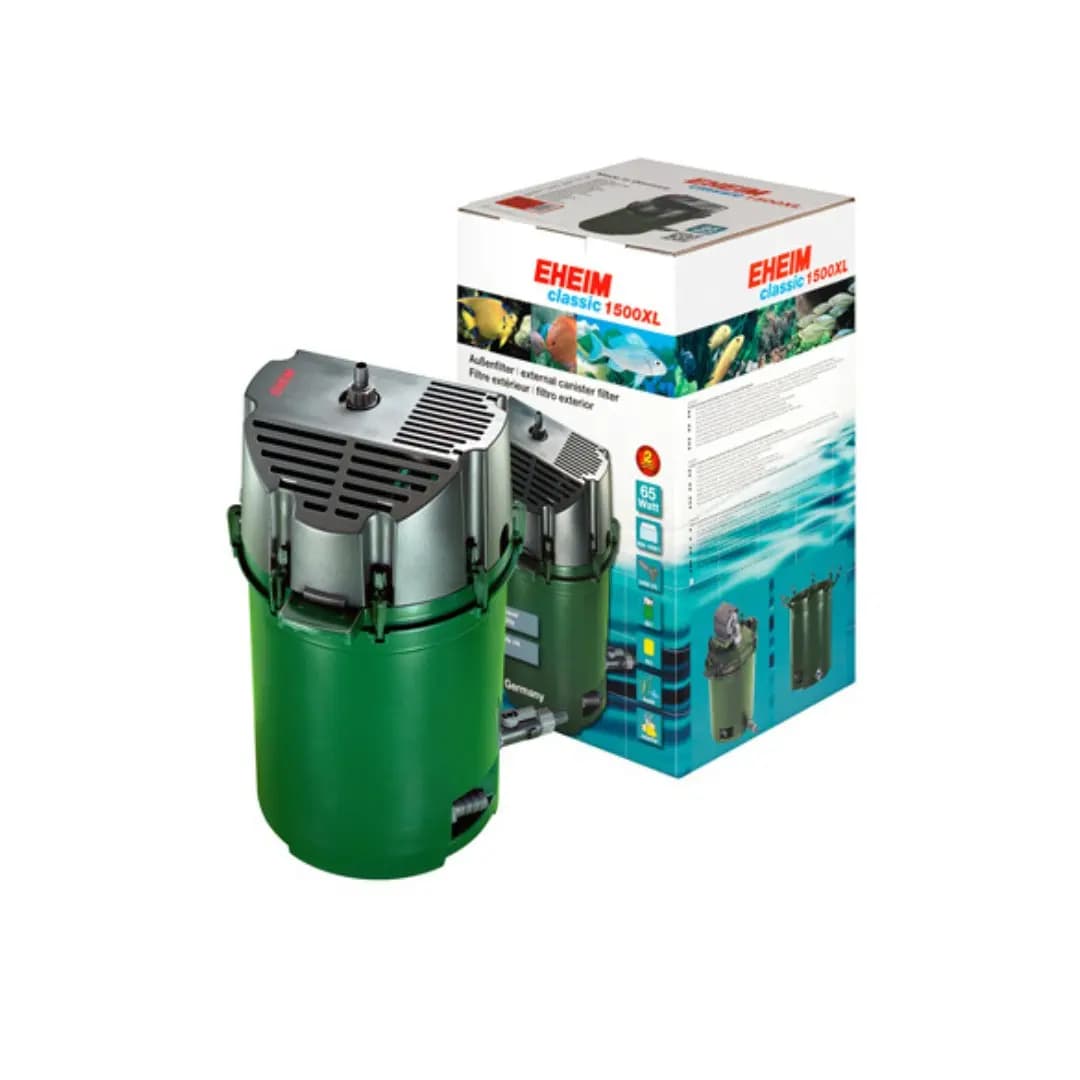
₹52,500

₹1,050
₹800
No reviews yet. Be the first to share your experience!
Fire Red Shrimp is a selectively bred Neocaridina davidi variety with rich, mostly opaque red colour. Adults can grow to around 3–4 cm and typically live for 1–2 years. These peaceful, hardy shrimp are easy to care for and suitable for both new and experienced shrimp keepers.
A fully cycled, established aquarium with stable water conditions supports healthy shrimp and breeding. Live plants, moss, driftwood and other natural surfaces provide shelter and grazing areas for algae and biofilm. A dark substrate can help their red colour stand out. Use gentle filtration, such as a sponge filter, to protect young shrimp.
Common name: Fire Red Shrimp, Fire Red Cherry Shrimp
Scientific name: Neocaridina davidi
Colour: Deep, bright red with mostly opaque coverage
Adult size: Approximately 3–4 cm
Care level: Easy
Temperament: Peaceful
Minimum aquarium size: 5 gallons, approximately 19 litres; a 10-gallon aquarium is a more forgiving starting size
Temperature: 18–27°C
pH: 6.2–8.0
General hardness: 4–8 dGH
Carbonate hardness: 3–15 dKH
Total dissolved solids: 150–250 ppm
Water quality: Fully cycled aquarium; ammonia and nitrite at 0, with nitrate ideally below 10
Diet: Algae, biofilm, leftover food, quality shrimp food and blanched vegetables
Breeding: Easy; females carry eggs for about 30 days, and young shrimp can reach breeding age in approximately 2–3 months
Lifespan: Approximately 1–2 years
Suitable tankmates: Other shrimp, peaceful snails and shrimp-safe small fish, such as rasboras, Otocinclus and pygmy Corydoras
Set up a mature aquarium: Fully cycle the tank before adding shrimp. A 5-gallon aquarium is the minimum recommended size; a larger tank is easier to keep stable.
Provide plants and grazing surfaces: Add live plants, moss and driftwood to provide cover and areas where algae and biofilm can grow.
Use gentle filtration: A sponge filter provides filtration while helping protect baby shrimp from being pulled into the filter.
Maintain stable water conditions: Aim for 18–27°C, pH 6.2–8.0, GH 4–8 dGH, KH 3–15 dKH and TDS 150–250 ppm. Condition tap water to remove chlorine and chloramine before use.
Feed a varied diet: Allow the shrimp to graze naturally, and supplement with quality shrimp food several times a week and occasional blanched vegetables.
Choose tankmates carefully: A shrimp-only aquarium gives young shrimp the best chance of survival. Peaceful small fish and snails may be suitable, while larger or predatory fish can eat juvenile shrimp.
Test the water regularly and avoid sudden changes in temperature or water chemistry.
Perform small weekly water changes to maintain water quality.
Remove uneaten food after a few hours.
A dark substrate can help show off the shrimp’s deep red colour.
Different Neocaridina colour varieties can interbreed and produce offspring with mixed colours.
Females carry their eggs beneath the abdomen for about 30 days before the young hatch.
Check the temperature: Compare the transport water temperature with the aquarium. Allow the shrimp to adjust gradually if there is a difference.
Drip acclimate: Slowly drip aquarium water into the shrimp’s transport container over 1–2 hours to help them adjust to differences in water conditions.
Transfer carefully: Net the shrimp into the aquarium and avoid adding transport water to the tank.
Delivery in 2-5 Days. Express delivery is available at checkout for an additional fee.
We accept returns within 3 days of delivery. Items must be unused and in their original packaging.