
Enquire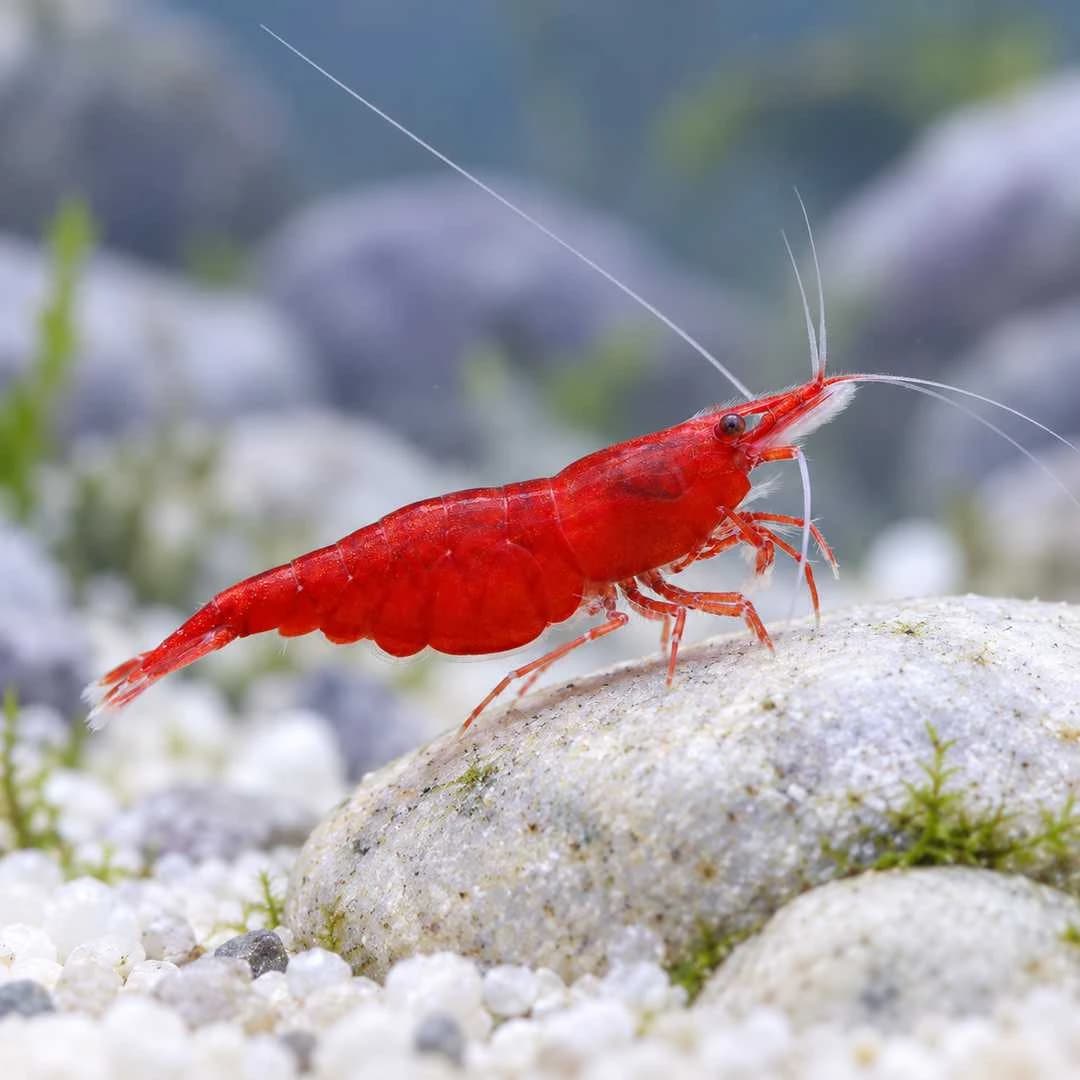
Fire Red Shrimp
₹60
Dream Blue Shrimp | Neocaridina davidi 'Blue Dream' is a selectively bred freshwater dwarf shrimp known for its vivid blue colour. Depending on the colour grade, it can range from translucent blue to opaque sapphire, making it a striking addition to planted aquariums and nano tanks.
This easy-care shrimp thrives in a fully cycled, mature aquarium with stable water conditions, live plants, driftwood and hiding places. Dark gravel or sand can make its blue colour stand out. Dream Blue Shrimp are peaceful, omnivorous foragers that graze on biofilm, algae and detritus, and also accept quality shrimp food and blanched vegetables. Keep them with inoffensive tankmates such as snails or other suitable invertebrates; avoid fish that may prey on them.
₹60
₹40
₹60
₹1,344

₹6,000

₹600 – ₹800
₹800

₹52,500

₹1,050
₹800
No reviews yet. Be the first to share your experience!
Dream Blue Shrimp is a selectively bred variety of Neocaridina davidi, a freshwater dwarf shrimp native to eastern Asia. Its colour can range from translucent blue to opaque sapphire, with shades that may appear inky, purple-leaning or lapis. These shrimp rarely grow beyond about 2.5 cm. Males are generally smaller than females and have straighter bellies.
They are considered easy to care for, provided the aquarium is fully cycled and mature, and water conditions remain stable. Add live plants, driftwood and shrimp hides for cover and foraging. Dark fine gravel or coarse sand can help their blue colour stand out. Dream Blue Shrimp are omnivores that graze on biofilm, algae and detritus, while also accepting quality shrimp food and blanched vegetables.
Delivery in 2-5 Days. Express delivery is available at checkout for an additional fee.
We accept returns within 3 days of delivery. Items must be unused and in their original packaging.