What Media Should You Put in a Canister Filter? Simple Media Order Guide
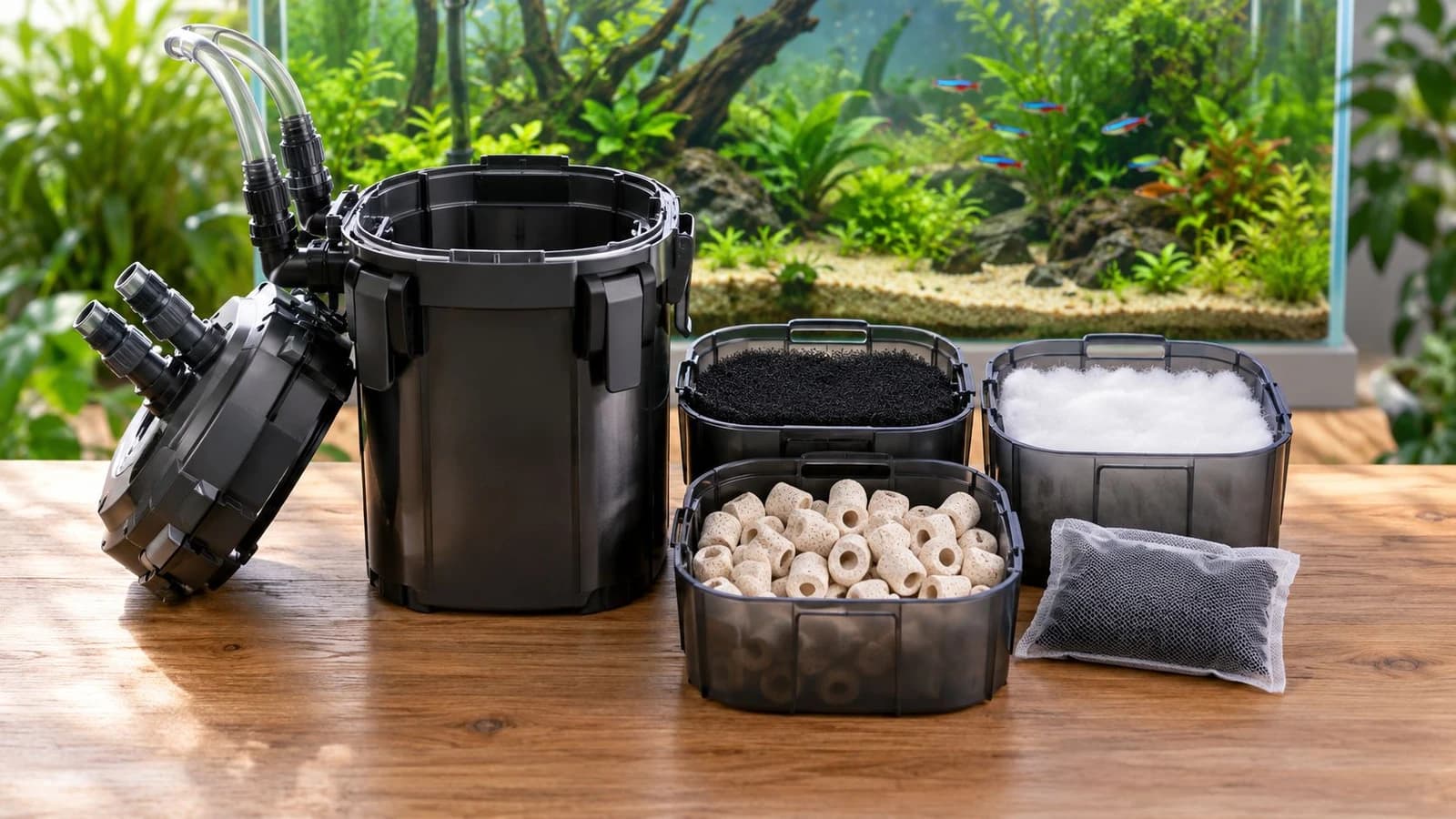
If you are asking what media to put in a canister filter, the simple answer is: use mechanical media to catch debris, biological media to support beneficial bacteria, and chemical media only when it serves a specific need. The exact tray order depends on your filter design, so always check the manufacturer's instructions before changing a setup.
A well-planned media arrangement helps water move through the filter efficiently and makes maintenance easier. This guide explains the job of each media type, a practical order to consider, and how to clean media without disrupting your aquarium unnecessarily.
The Three Types of Canister Filter Media
Mechanical filter media
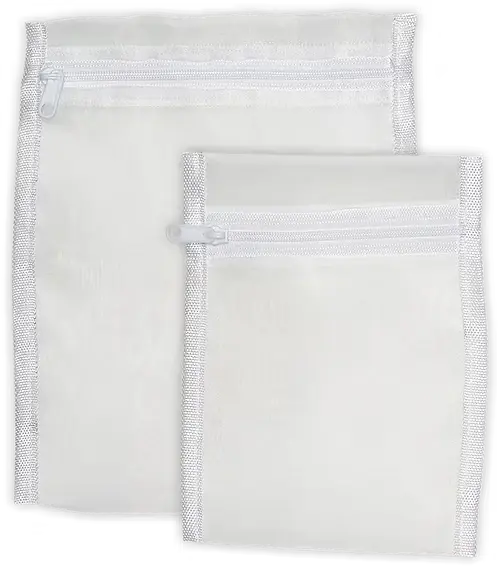
Mechanical media catches visible debris such as leftover food, plant matter and suspended particles. Common examples include coarse sponges, fine sponges and filter wool. It is usually the first stage of filtration because it prevents large debris from reaching the biological media.
Mechanical media needs the most frequent maintenance. When it becomes clogged, water flow can fall and the filter may not work as efficiently.
Biological filter media
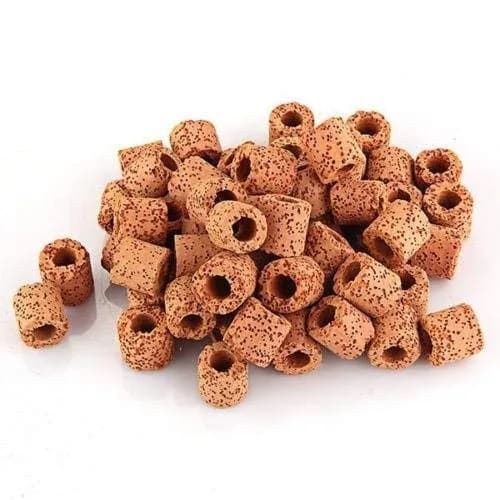
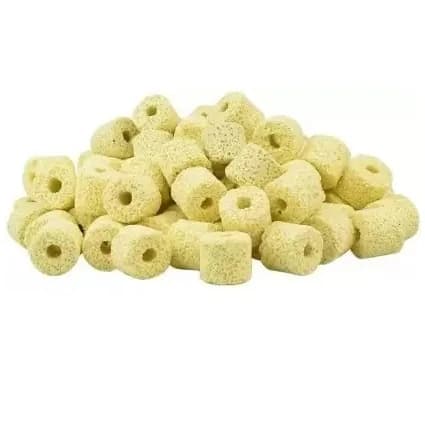
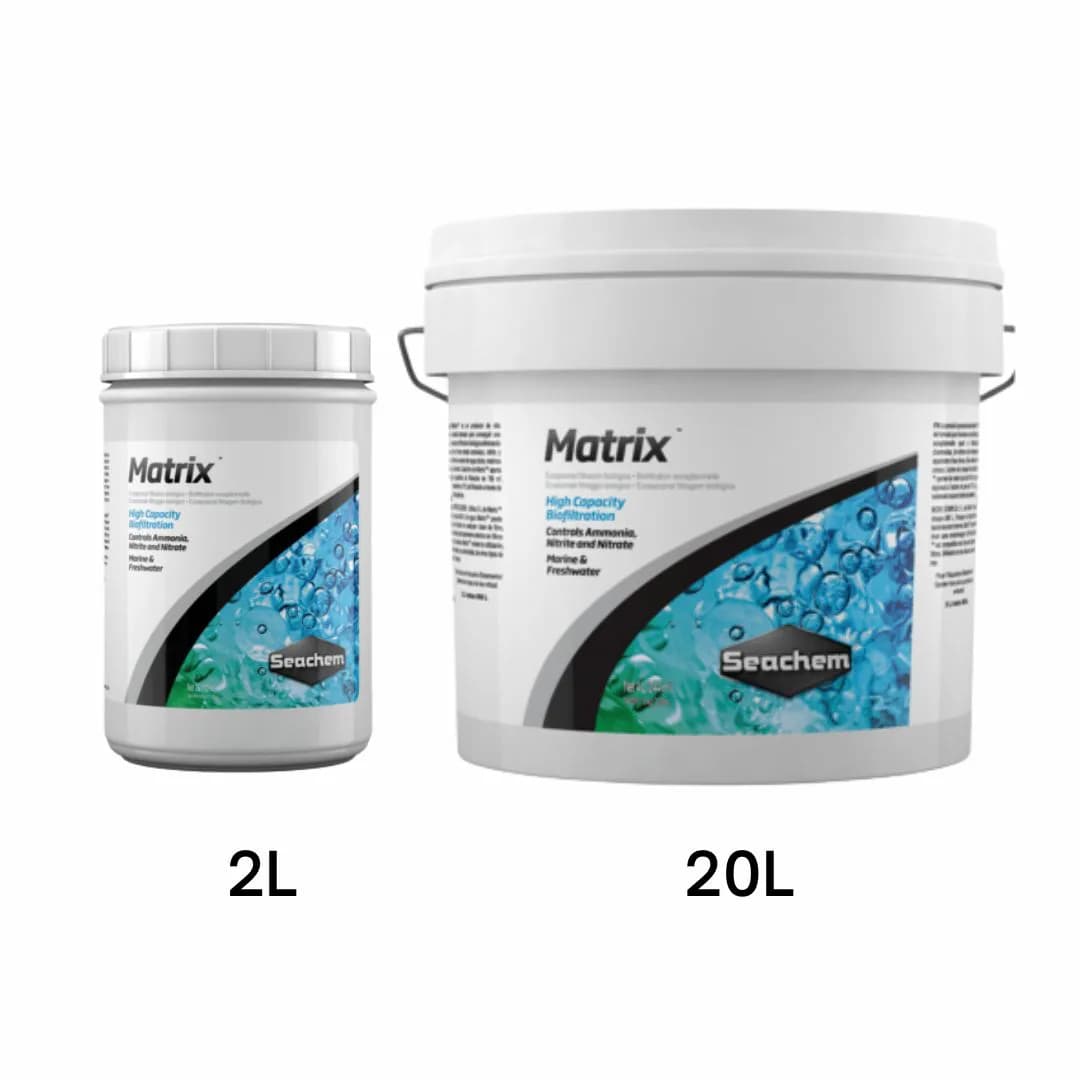
Biological media gives beneficial bacteria a large surface area to live on. These bacteria are an important part of the aquarium's filtration cycle. Ceramic rings, sintered glass and porous bio-media are common examples.
Biological media should be handled gently. Do not replace all of it at once, and avoid cleaning it with untreated tap water. If it needs rinsing, use removed aquarium water.
Chemical filter media
Chemical media is optional. It is used for a particular purpose, such as removing certain dissolved substances or polishing water. Activated carbon is one familiar example, but it is not a replacement for regular maintenance or a solution to an underlying aquarium problem.
A Practical Canister Filter Media Order
Water should usually meet the coarsest mechanical media first, then move through finer mechanical media and biological media. Chemical media, if you need it, is commonly placed where it will receive reasonably clean water. Your filter's intake direction and tray layout may be different, so use this as a planning guide rather than overriding the manufacturer manual.
Coarse sponge: catches larger debris and protects the media that follows.
Fine sponge or filter wool: captures smaller particles and helps keep water clear.
Biological media: provides surface area for beneficial bacteria.
Optional chemical media: add only when it has a clear job in your aquarium.
Some filters direct water from the bottom upward, while others use a different route. Follow the water path shown in your filter manual and place the media so debris is removed before water reaches the biological stage.
How Much Media Do You Need?
Fill the available baskets or chambers without packing the media so tightly that water cannot pass through it. The goal is even flow through the filter, not to force the maximum possible amount of material into every space.
Use enough mechanical media to catch debris and enough biological media for your aquarium's fish load. A heavily stocked aquarium may need more maintenance or additional biological capacity than a lightly stocked planted tank.
How to Clean Canister Filter Media
Clean media only when needed. A noticeable drop in flow, visible debris or reduced performance are good reasons to inspect the filter. Cleaning every part of the filter on an aggressive schedule can remove useful bacteria and make the aquarium less stable.
Unplug the filter and close its valves according to the manufacturer instructions.
Remove mechanical media and rinse reusable pieces in old aquarium water.
Gently swish biological media only when it is heavily clogged.
Replace disposable filter wool when it no longer rinses cleanly.
Replace chemical media according to its purpose and the product instructions.
Check hoses, seals and impeller parts before restarting the filter.
Common Canister Filter Media Mistakes
Putting fine media first: It can clog too quickly when large debris reaches it before coarse sponge.
Replacing all biological media at once: This can reduce the bacteria population your aquarium relies on.
Using chemical media without a reason: Choose it for a defined use, not as a substitute for water changes or maintenance.
Overpacking baskets: Water needs a clear path through the media.
Ignoring flow changes: Reduced flow often means mechanical media needs attention.
Canister Filter Media for Planted Aquariums
Planted aquariums can use the same basic filtration approach: mechanical media for debris and biological media for a stable filter. Any chemical media should be chosen with the needs of the aquarium in mind. If you are unsure whether a particular product suits your plants, livestock or fertiliser routine, ask for advice before adding it.
Frequently Asked Questions
Do I need activated carbon in my canister filter?
Not always. Activated carbon is optional and should be used when it has a specific purpose. It is not essential for every aquarium or every filter setup.
Can I use only sponge in a canister filter?
Sponges provide useful mechanical filtration and some surface area for bacteria, but a mix of suitable mechanical and biological media generally gives you more flexibility.
Which media should be cleaned most often?
Mechanical media normally needs attention first because it collects debris. Biological media should be disturbed as little as possible.
How often should I replace biological media?
Many biological media types can be reused for a long time. Replace only damaged media or follow the product manufacturer's instructions; do not replace all of it together.
Choose Canister Filter Media for Your Aquarium
Start with a simple, serviceable media setup and adjust it only when your aquarium needs something different. Clean mechanical media regularly, protect the biological media your filter depends on, and use chemical media with a clear purpose.
Browse aquarium filter media or read our canister filter guide before choosing a setup.