Arowana and Stingray Care: Setting Up a Responsible Monster Fish Tank
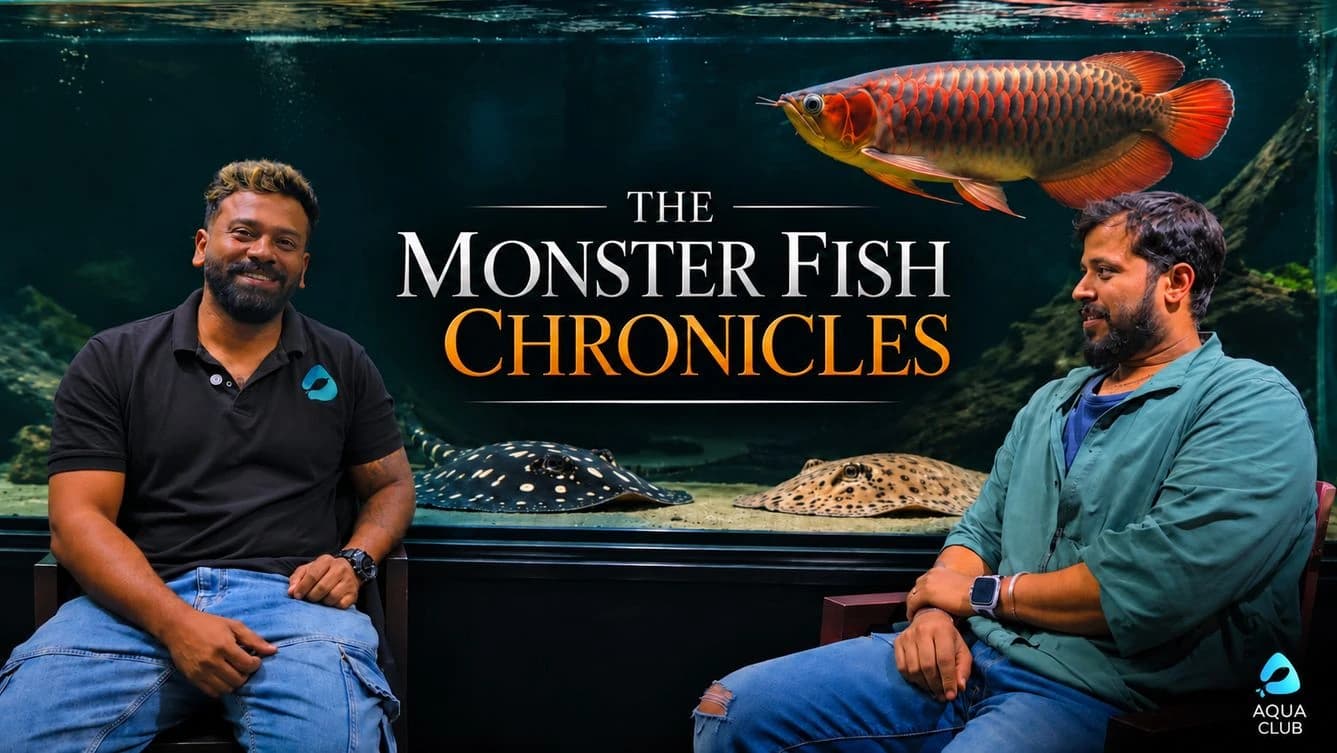
Arowanas and freshwater stingrays are striking, intelligent fish that can become the centrepiece of a large aquarium. They also need careful planning, substantial space and reliable water management. In this episode of Aqua Club Stories, Akash shares what he has learned from keeping these fish together, including tank design, filtration, maintenance and feeding.
The aquarium featured in the video has housed several different setups over time, including a planted tank, a discus aquarium and a large school of cardinal tetras. Its current residents include arowanas and stingrays. The conversation focuses on the responsibilities that come with keeping large, demanding fish—not just the appeal of owning a rare specimen.
Arowanas are a long-term commitment
The episode features a short-bodied albino 24-karat golden arowana, alongside other arowanas. The speakers describe how keepers can form a strong bond with these fish and mention cultural beliefs associated with arowanas in parts of Southeast Asia. These are presented as traditions and personal beliefs, rather than facts about fish behaviour.
The video also discusses microchips and certificates used to identify an arowana and document details such as its origin. For anyone considering an arowana, traceability and a clear understanding of the fish’s needs should be part of the research before acquiring one.
Plan the aquarium before choosing the fish
A large fish needs an appropriately sized aquarium with enough room to move as it grows. The video does not give a specific tank size, so prospective keepers should research the adult size and housing requirements of the exact arowana and stingray species they are considering. They should also plan for the aquarium’s weight, placement, access for maintenance and long-term operating costs.
The speakers point out that the featured tank looks relatively open, with fewer fish and less décor than some hobbyists might expect. That open layout gives its large residents more swimming space and keeps the fish in focus. In a monster-fish aquarium, the goal is to provide suitable space and a stable environment rather than fill every part of the tank.
Why arowanas and stingrays may share an aquarium
In the episode, the keeper explains that arowanas usually occupy the upper part of the water column, while stingrays spend most of their time near the bottom. Their different swimming areas are one reason these fish can be considered as tankmates in a suitably large setup.
Different swimming zones do not guarantee compatibility. Arowanas and stingrays have substantial care needs, and individuals may behave differently. Any proposed combination should be assessed for space, temperament, feeding access and water conditions, with a plan to separate the fish if problems arise.
Filtration and regular maintenance are essential
Large fish produce a significant amount of waste. The episode highlights that stingrays can add a heavy load to the water, making robust filtration and close attention to water quality especially important. The keeper recommends a sump or another properly planned filtration system and emphasizes routine water changes, filter cleaning and debris removal.
A larger water volume can give a system more time to respond to changes, but it does not remove the need for maintenance or testing. Ammonia and nitrite should remain at safe levels, and nitrate should be managed through appropriate water changes and husbandry. Build the filtration around the fish, the aquarium’s volume and feeding routine—not just the tank’s appearance.
Feed a varied diet and avoid unnecessary risk
When asked about feeding, the keeper starts with what he avoids: live feeder fish. Feeder fish raised in crowded conditions may carry parasites or infections, which can put valuable aquarium fish at risk. The conversation acknowledges that opinions on live feeding vary, but recommends considering the disease risk carefully.
The keeper describes feeding bite-sized frozen prawns, krill, shrimp and black soldier fly larvae. Food pieces should be appropriate for the fish’s size, and oversized pieces can be difficult to swallow. Any diet should be balanced for the species; one food alone may not provide everything a fish needs. Aqua Club carries options such as Life AAYU Bug Power Protein Bites, which include black soldier fly larvae and krill. Check the product’s feeding guidance and confirm that it suits your fish before use.
Drop eye and the floating-ball suggestion
The keeper shares an old hobby tip: placing a floating ball in the aquarium may encourage an arowana to look upward, rather than spending much of its time looking down at sinking food. He connects this with reducing the chance of a condition commonly called “drop eye.” Treat this as an anecdotal suggestion from the conversation, not a proven prevention method or a substitute for sound feeding, husbandry and veterinary advice.
Enjoy the fish by putting their needs first
Arowanas and freshwater stingrays can bring a very different experience from a planted aquascape, but their care requires substantial preparation. Research the exact species, plan a suitable aquarium and filtration system, provide an appropriate diet, and keep up with water changes and equipment maintenance. A thoughtful setup gives these remarkable fish the space and stable conditions they need to thrive.