
Out of stock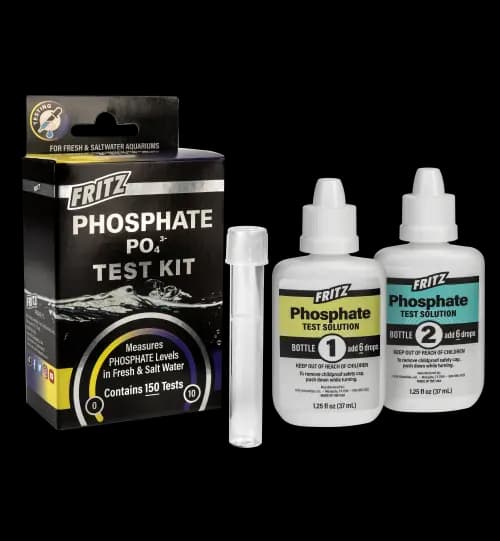
Fritz Liquid Phosphate Test Kit
₹2,100

₹2,100
₹850

₹2,620

₹349
₹1,268

₹4,700

₹3,300

₹7,070
₹350
₹1,650
No reviews yet. Be the first to share your experience!
The Aquavascular Nitrate Test Kit provides a dependable way to monitor nitrate concentration in freshwater aquariums. Nitrate is the end product of the nitrogen cycle and, if not controlled, can lead to algae outbreaks, plant health issues and long-term stress for fish and invertebrates. This kit uses a two-phase testing method, allowing the aquarist to distinguish between nitrite presence and true nitrate readings.
With clear colour results and simple application steps, this test kit is suitable for routine water testing in planted, shrimp and community tanks, helping maintain stable and healthy aquatic environments.
| NO₃⁻ Level | Aquarium Impact |
| 0–10 ppm | Ideal for shrimp & low-tech tanks |
| 10–20 ppm | Good range for most planted/community aquariums |
| 40+ ppm | High level – increases algae risk & fish stress |
Delivery in 2-5 Days. Express delivery is available at checkout for an additional fee.
We accept returns within 3 days of delivery. Items must be unused and in their original packaging.